Ask for the best markers for adult coloring books and you'll get a list of brands. The more useful answer is a pairing: a marker and the sheet under it. A marker that behaves well on thick stock can soak straight through a thin page, so choose the two together.
Every recommendation below comes from what marker and paper makers publish about their own products, plus one independent buying guide, and each source is linked where it's used.
Start with the ink, not the brand
Markers for coloring fall into two families, and the ink decides most of what happens on the page.
- Water-based markers. Bustle's buying guide says this kind of ink is typically the best option for coloring, because it's less likely to go through the sheet than permanent, alcohol-based ink. Tombow describes its Dual Brush Pens as water-based, blendable and odorless.
- Alcohol markers. Crayola describes them as filled with fast-drying, alcohol-based ink that blends easily into soft gradients. The trade-off is bleed. Copic says plainly that its dye ink soaks into the page and will always bleed through to some extent.
Neither family is wrong. If you want smooth blends and shading, alcohol ink is built for that, so plan around the bleed. If you want to color the pages of a book you already own without ruining the design on the back, water-based is the safer start.
Best markers for adult coloring books: tips and colors
Detailed pages for grown-ups have small spaces, so the tip matters as much as the ink.
- Tip shape. The markers in Bustle's guide come in a variety of fine, chisel, bullet and brush tips, and it notes that many are dual-ended, with a different point at each end. Tombow's pen is one example: a flexible brush for thin to bold strokes and a fine tip for consistent lines.
- How many colors. There's no correct number; Bustle's guide says the number of colors is totally up to you. A small set is easier to carry and store, while a large one puts more shades within reach.
- Comfort. If you settle in for an hour, how the barrel feels in your hand matters as much as the number of shades.
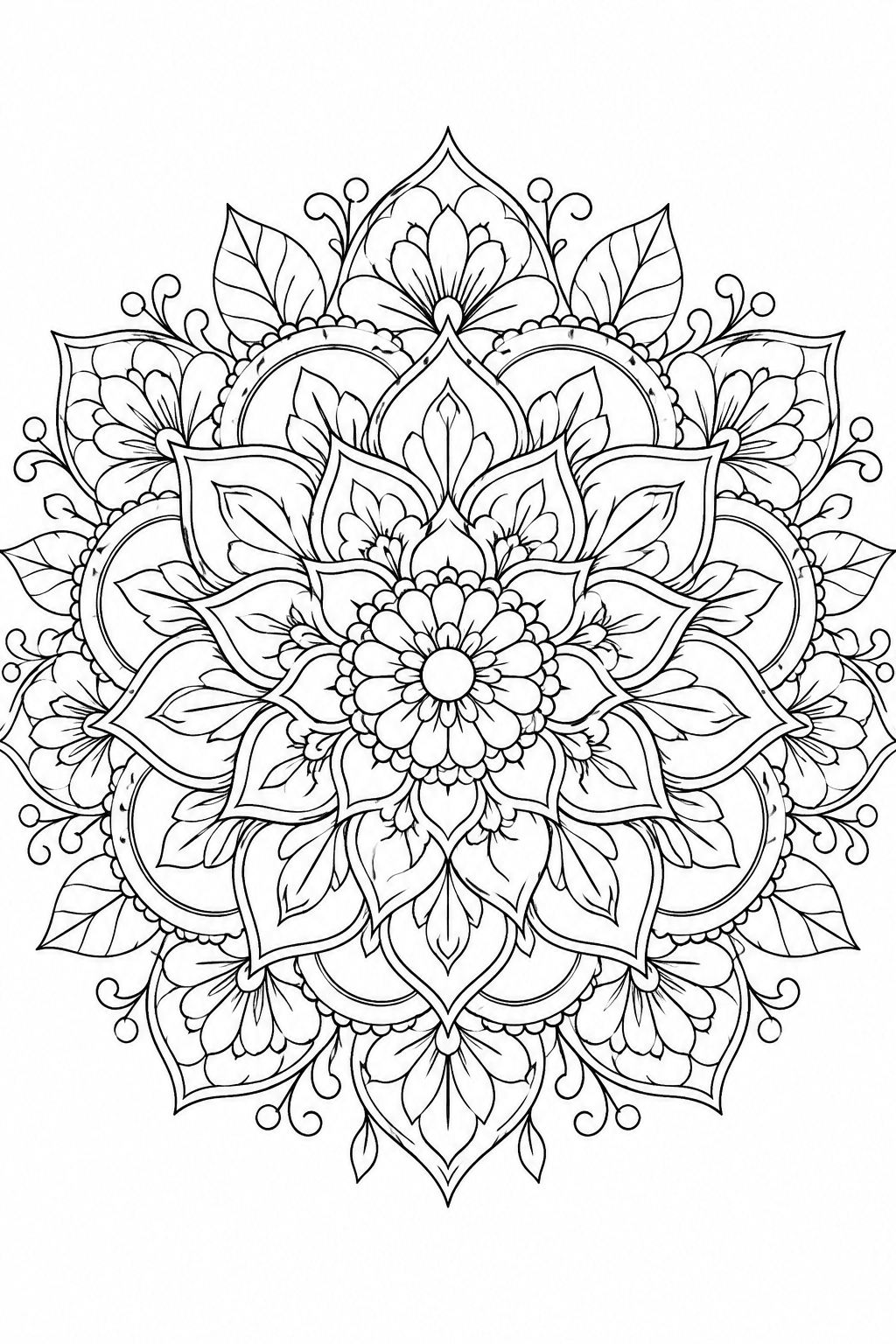
Tight lines like these suit a fine or brush tip. An example page from CrayonKite.
Markers for kids' pages
For children, how well a marker washes out matters more than how well it blends. Crayola says its Ultra-Clean washable markers wash off skin, most washable clothing and painted walls, and labels them nontoxic.
There's also a seal worth knowing about. The Art and Creative Materials Institute advises checking for its AP Seal on creative products for kids in sixth grade or younger. The mark means a toxicologist has certified that the product contains nothing in quantities harmful to people, including children.
Alcohol markers are a different case. Crayola describes its own as designed with adults in mind, and the ink is permanent, so keep those sets for older hands.
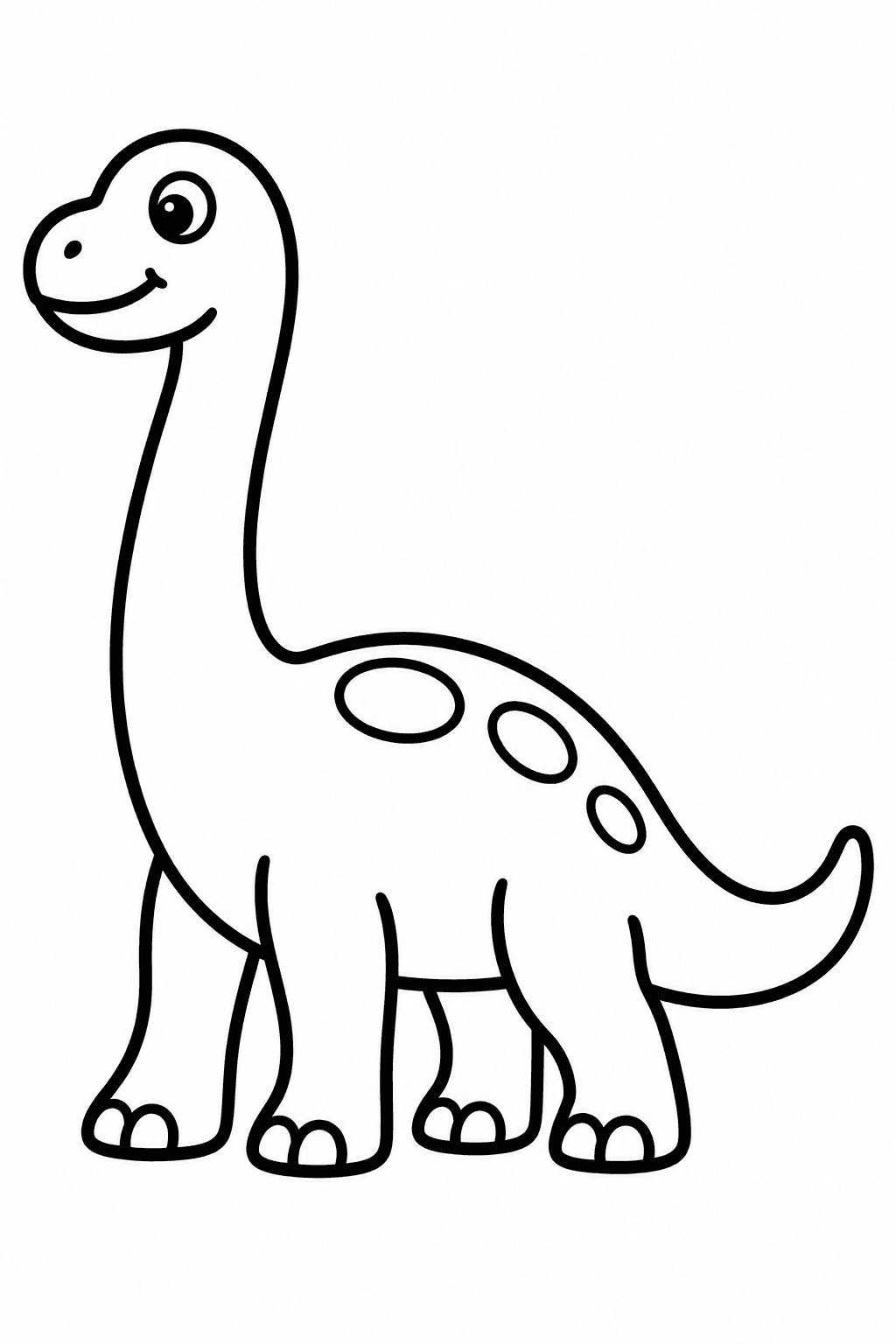
Big open shapes and thick outlines leave room for broad washable markers. An example page from CrayonKite.
Paper for printing coloring pages
Most home printers are loaded with everyday office paper. HP puts typical document paper at around 20 lb, or 75 gsm, and notes that heavier sheets usually mean fewer problems with bleed or show-through. For color prints and double-sided material, HP prefers 28 to 32 lb.
That gives a simple ladder for printed coloring pages:
- Crayons and colored pencils. Light uncoated stock is enough; PrintNinja says even its lightest uncoated option works well with both. Colored pencils need something to grip: Faber-Castell's drawing tutorial talks about getting color into the tooth of the paper, meaning its texture.
- Water-based markers. Step up in weight and choose a smooth surface. Tombow recommends smooth, non-textured paper for its brush pens, and names HP Premium32 among the sheets that typically work well.
- Alcohol markers. Expect bleed on any ordinary sheet. Crayola suggests thicker or marker-specific paper and lighter layers.
Skip glossy stock. PrintNinja, a book printer, warns that coated gloss paper repels most coloring media and recommends uncoated pages for coloring books.
Check what your printer can feed
Heavier is only better if the machine accepts it. HP's advice is to check your printer's specifications before settling on a weight, because thick sheets may not feed properly in some models.
The limits vary more than you might guess. Canon's manual for the G600 series lists plain paper from 17 to 28 lb, which is 64 to 105 gsm. Epson's guide for the WF-C8690 lists standard paper as 17 to 24 lb and treats anything above that as thick stock with its own loading rules. Those are just two examples. Look up your own model.
Marker paper: thin, but made for ink
Weight isn't the whole story. Winsor & Newton's Bleedproof Marker Pad is only 75 gsm, about the same as office paper, yet it's specially treated so that ink doesn't soak through. A coating can do what thickness alone can't.
This is a drawing pad, though. If you want to run a sheet through a printer, read the instructions for both the pad and the machine first. For everyday printed pages, Copic notes that regular copy paper can be used with its markers, and suggests trying a few kinds because the finish differs.
How to stop markers from bleeding through
- Print on one side. PrintNinja offers single-sided printing for coloring books so that markers do not bleed onto the next design. At home, leave the back blank.
- Put a spare sheet underneath. Copic recommends scrap paper under your work to protect the surface below, and Crayola calls the same trick a blotter sheet.
- Go easy on pressure. Copic also advises against pressing hard on the nib, to avoid excess bleeding.
- Build color in light layers. Crayola's tip for alcohol ink is to add lighter layers instead of saturating one spot.
Before you print a stack: print one page, color a corner with the pens you plan to use, wait a minute, then turn it over. If the ink shows through, change the paper or the pens before you print the rest.
Quick picks by who's coloring
- Toddlers and young kids: washable water-based markers with the AP Seal, crayons and everyday paper printed on one side.
- Adults coloring to unwind: dual-tip water-based pens on smooth 28 to 32 lb paper, if your printer takes it.
- Anyone who loves blending: alcohol markers, heavier or marker-specific sheets and a blotter page every time.
- Colored pencil fans: uncoated paper with a little texture.
Planning to bind your pages together? The next step is how to make a coloring book, which covers page counts, margins and binding.